Call us: (484) 705-4316
 Mon to Fri 8 to 5, Sat 8 to 2 · Evenings on request


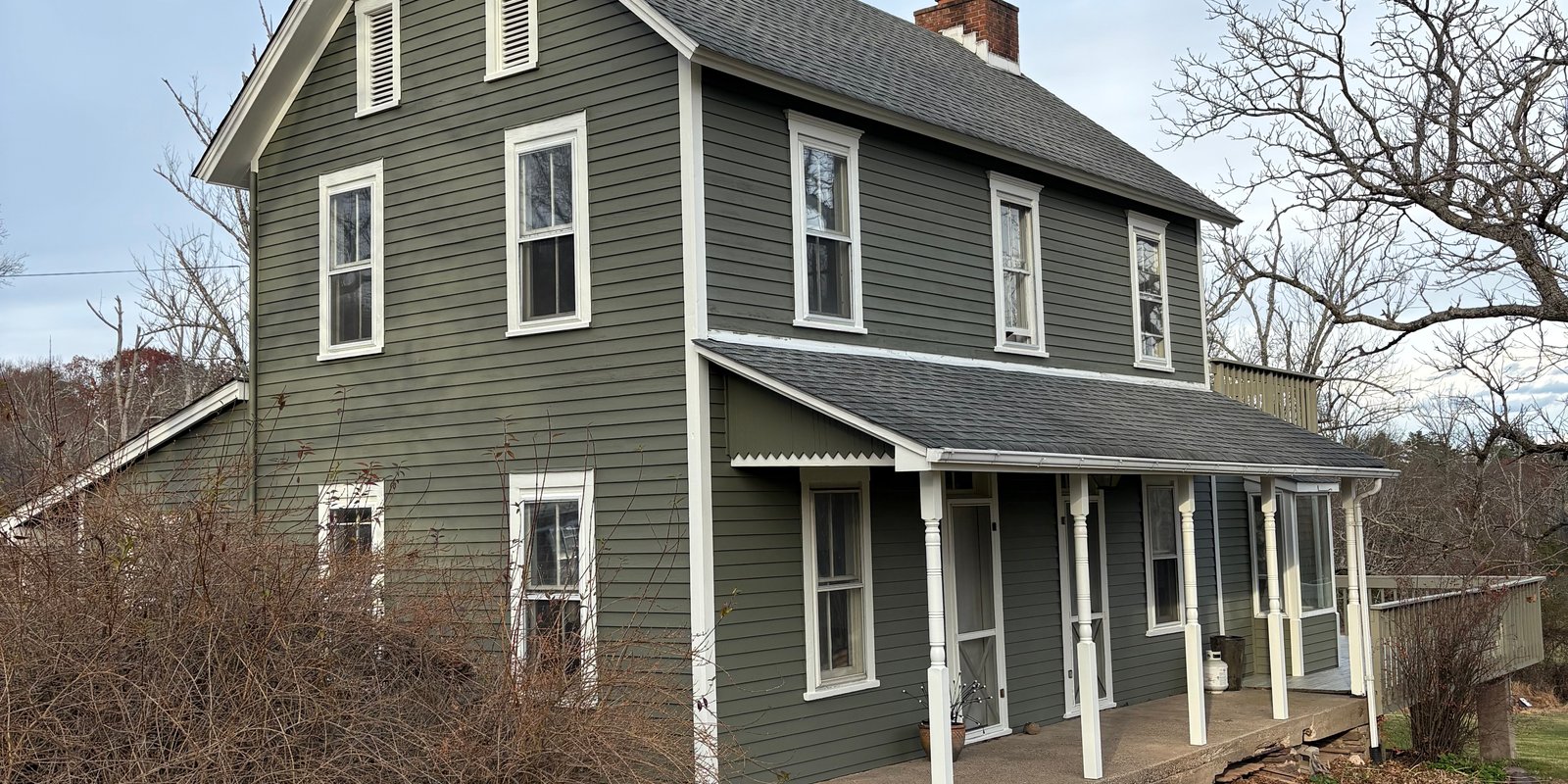

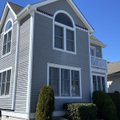
Exterior paint looks fine right up until it doesn't. That's why the first thing I do on a walkthrough isn't look at the color. It's look at the wood.
The three signs I look for
Peeling near the bottom of a board. It's usually on the side of the house that takes the weather. When paint peels there, water has been getting behind it for a season or two. Cedar that stays wet starts to soften from the back, where you can't see it.
A corner that gives. This is where the thumb comes in. I press into the corner of a board near the ground or under a window. Good wood pushes back. Rotted wood gives a little, even under paint that still looks fine from the driveway.
A nail head that's pulled through. When the wood around a nail can't hold it anymore, the board isn't holding its shape either.
What we do about it
I check every sill, every corner board and the bottom row of siding by hand. If a board is soft, it comes out and a new one goes in. We prime the new board on all sides before it's nailed up, and the lumber is billed as materials.
Then the rest of the house gets our normal prep. We power wash, scrape to a firm edge, sand, prime the bare wood and caulk the joints, then put on two coats.
Painting over soft wood is the one shortcut I won't take. The paint fails in a year, and the board goes right along with it.
When to take a look yourself
Spring and fall are the best times to paint outside around here, so walk your house on a dry week in April or September, before the paint is on the schedule. If you spot any of these three, snap a photo and send it with the quote form. I'll come out and take a look.